Three campaigns, three real clients, and one product of my own — built on a shared method: concept, image, video, copy and even a working AI product, generated and directed end-to-end, the same way I'd run any production.
Most "AI portfolios" show demos — a pretty render, no client, no stakes. These three didn't work that way. Each one started as a real brief for a real business, went through rounds of client approval, and ran in market: a loyalty promotion, a social content series, a product launch.
What changed is the production line behind them. Concept boards, hero visuals, supporting stills, teaser and support films — generated, directed and finished with AI at every stage, with me sitting in the seat a photographer, illustrator and editor used to occupy. The craft judgment is the same thirty years I've always brought; the toolkit is the one I use now.
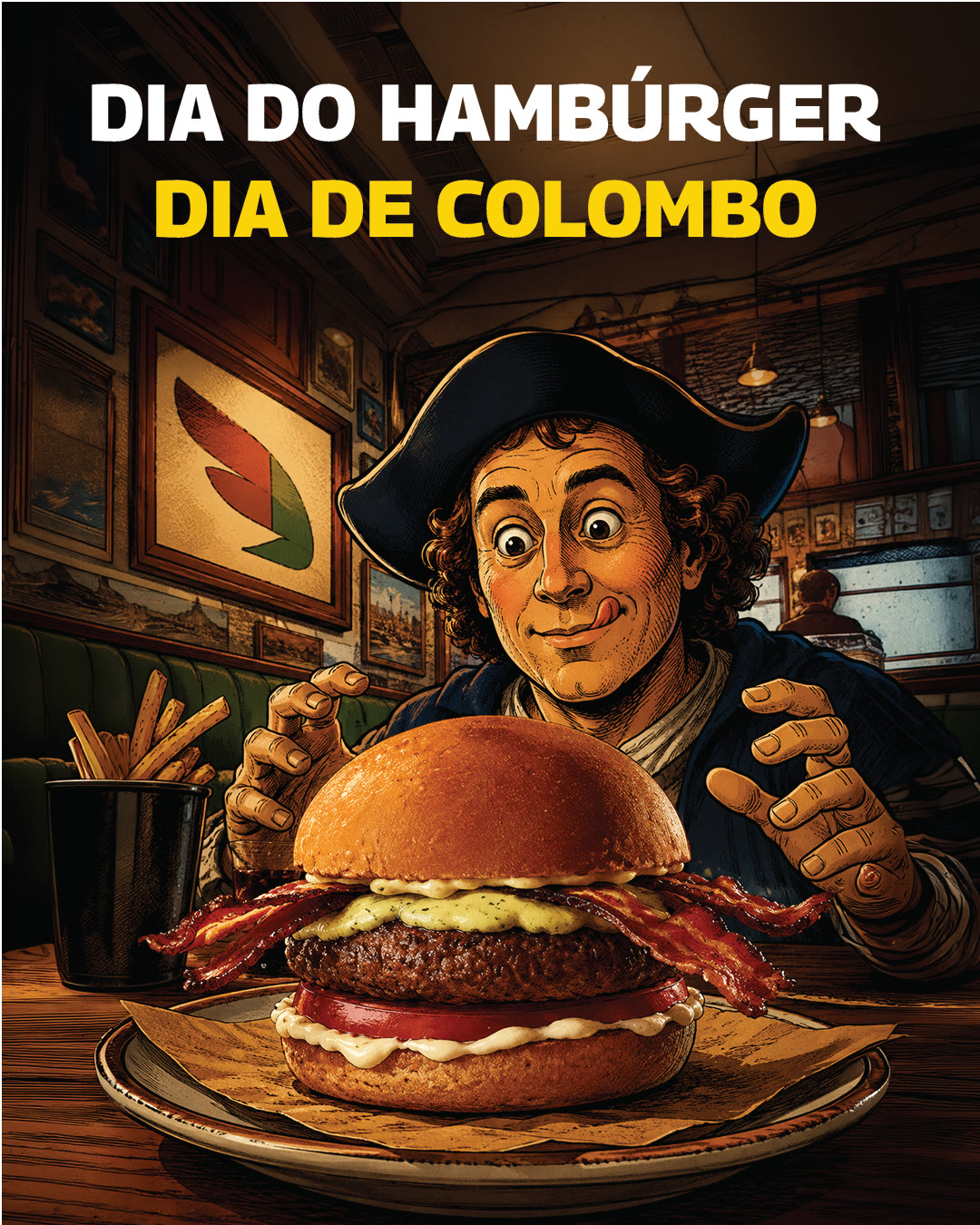
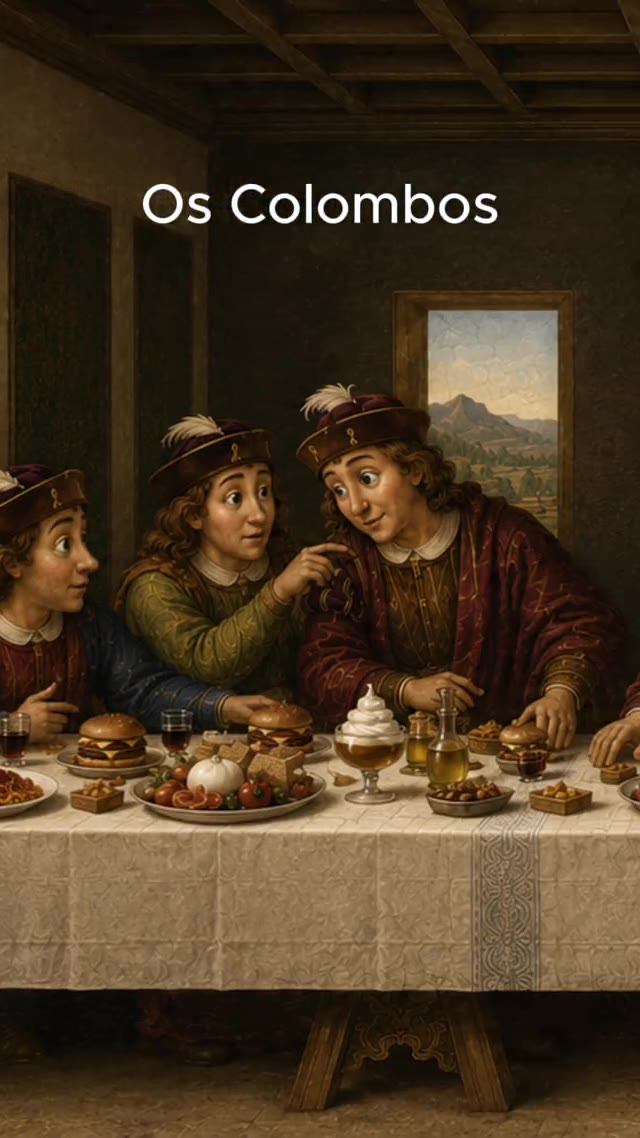
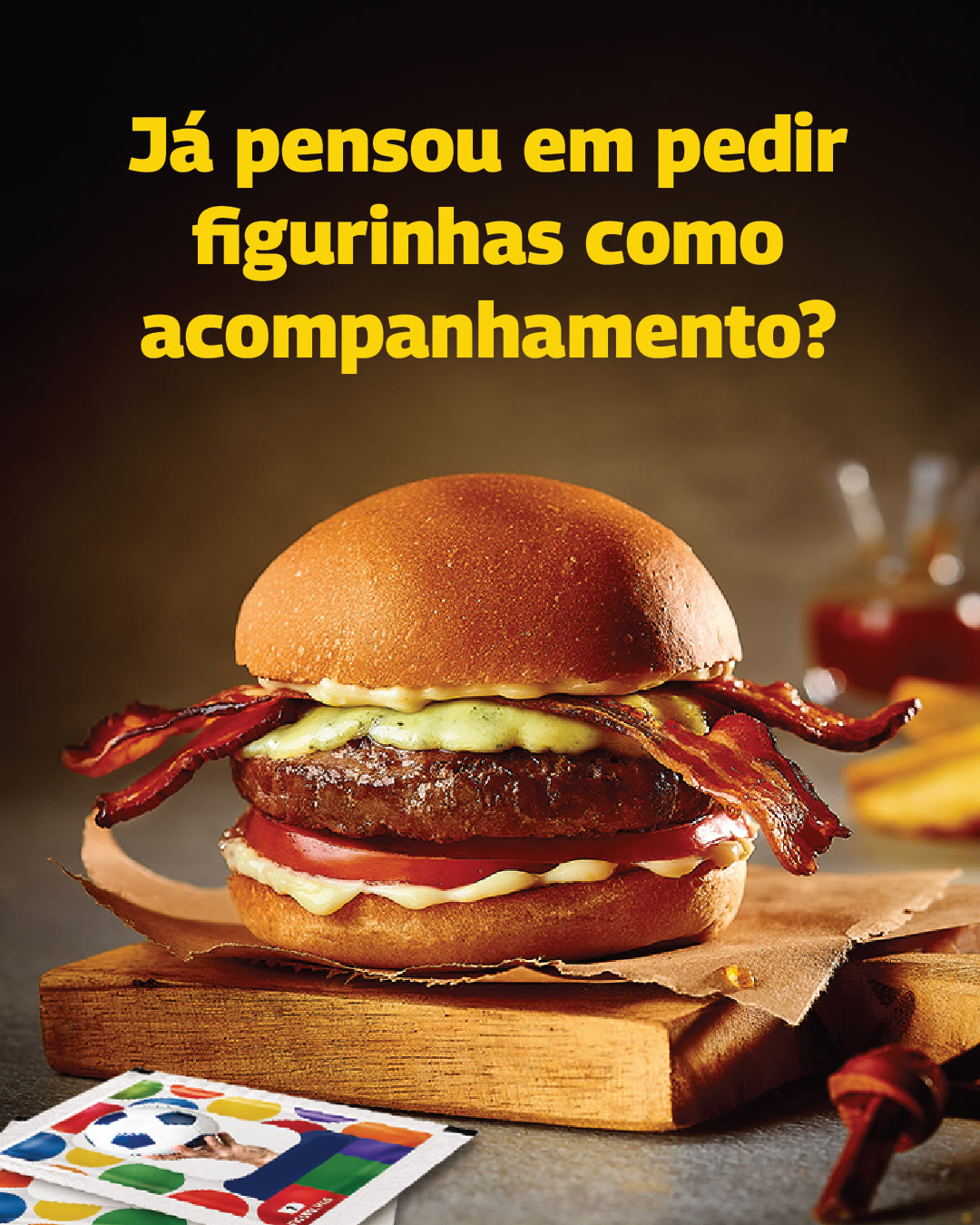
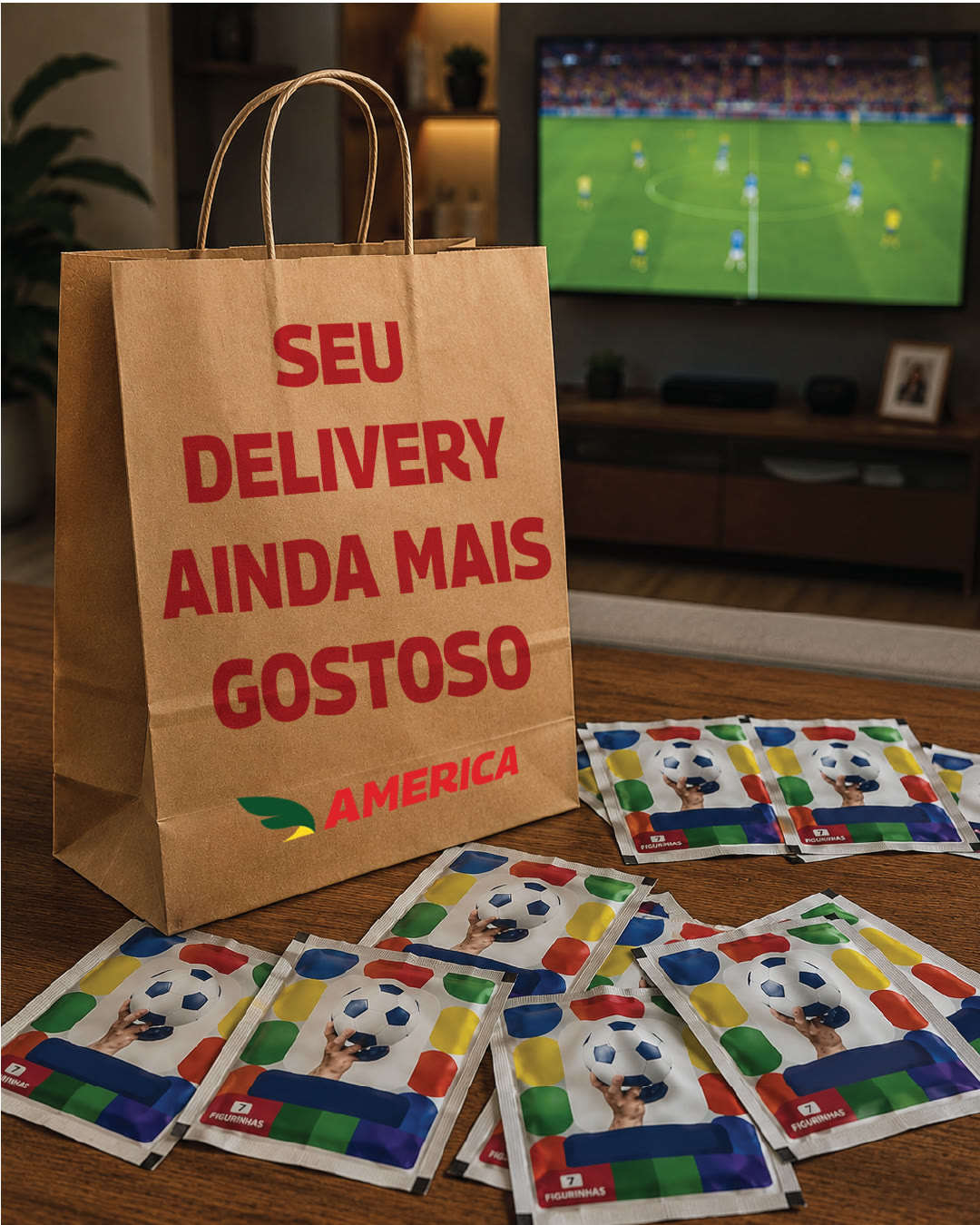
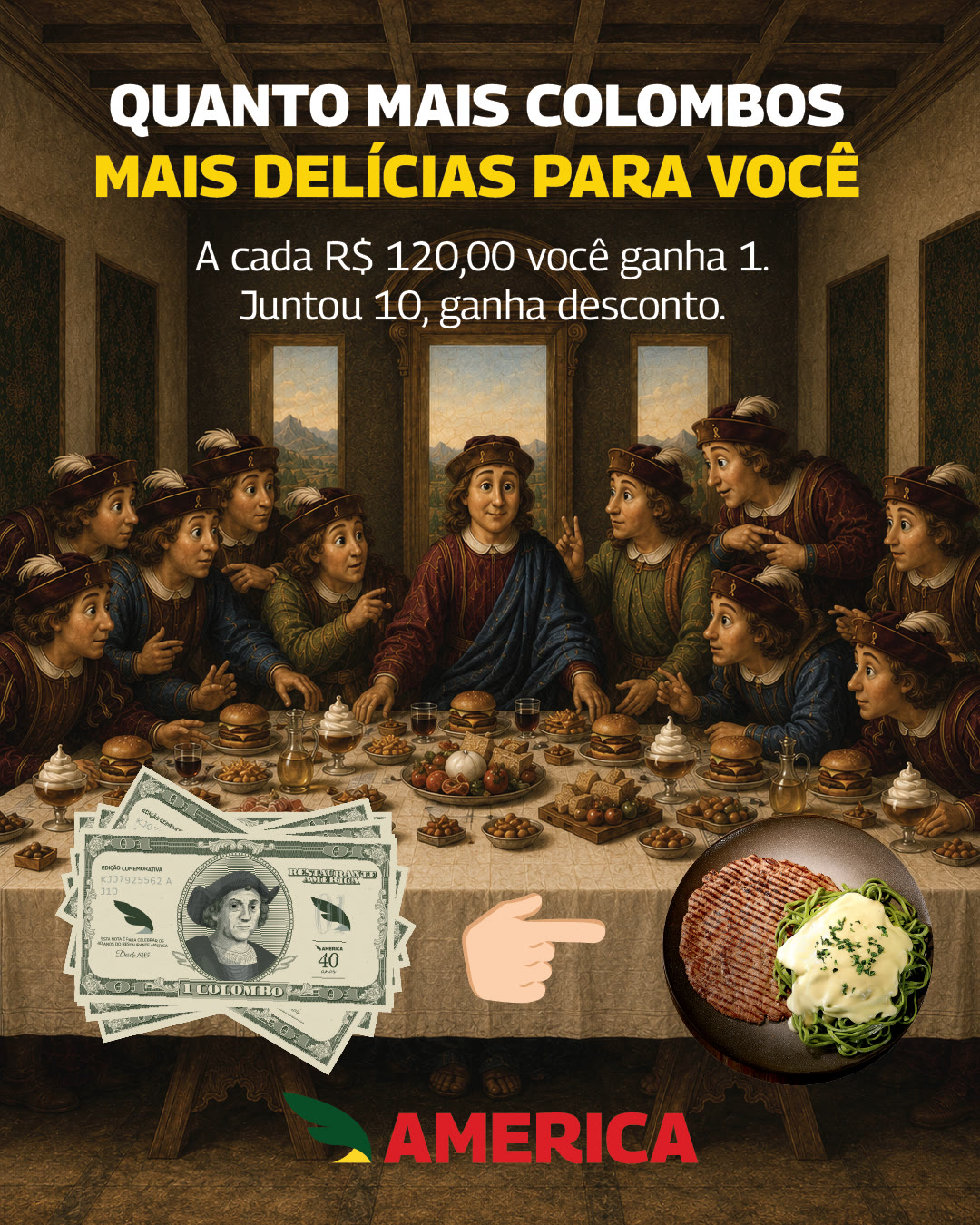
América — a São Paulo restaurant chain — turned 40, and the brief was a loyalty mechanic dressed up as an event: spend R$120, earn a bill called "o Colombo"; collect ten, unlock a discount. The name did double duty — Christopher Columbus, the "discoverer" of América (the continent, the brand) — and became the spine of the whole campaign, staged as a Renaissance banquet of burgers, steak and delivery bags.
Every still and every clip below — the parchment texture, the cast of apostles, the product plating, the aged banknote — was generated and composited with AI. No studio shoot, no food stylist, no location.
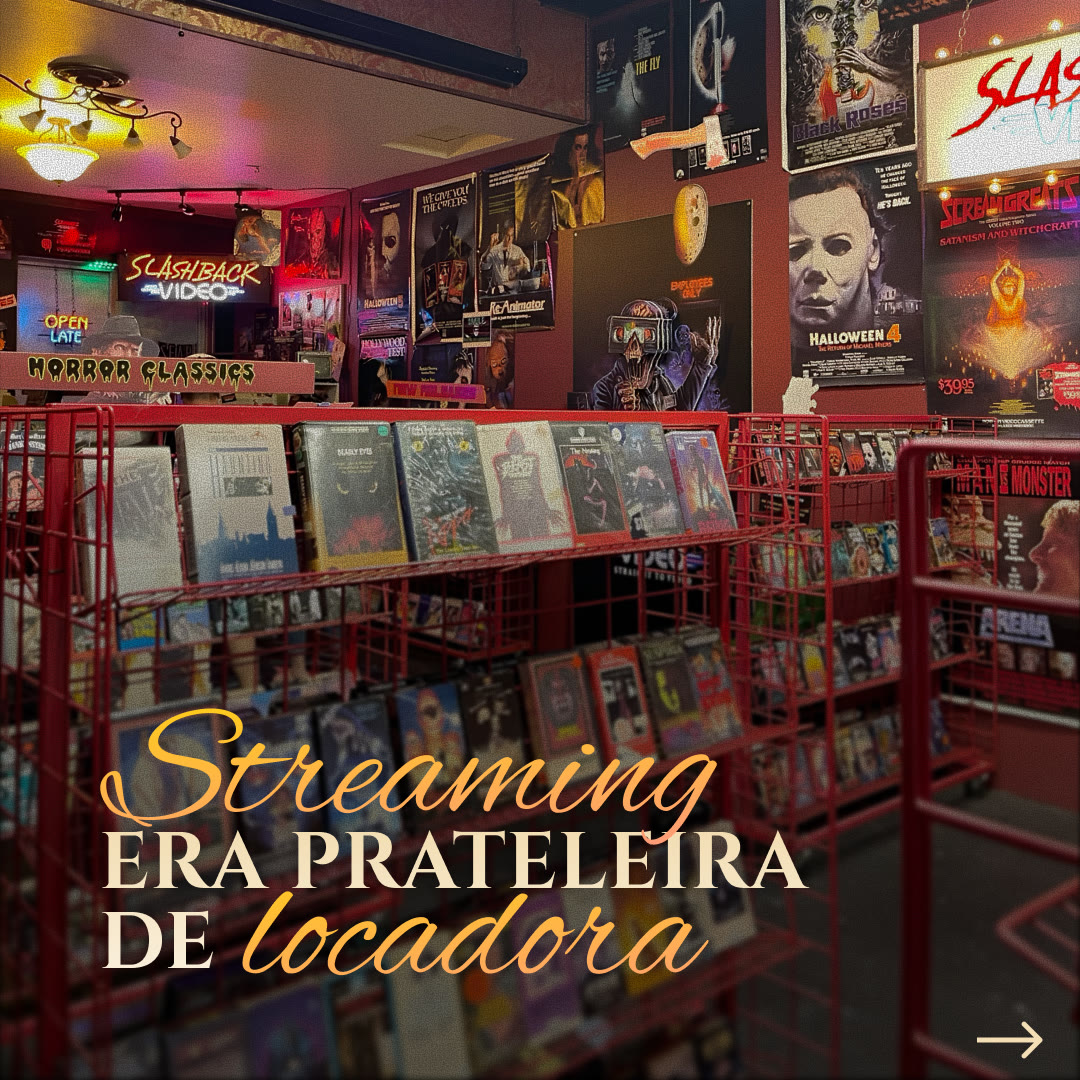
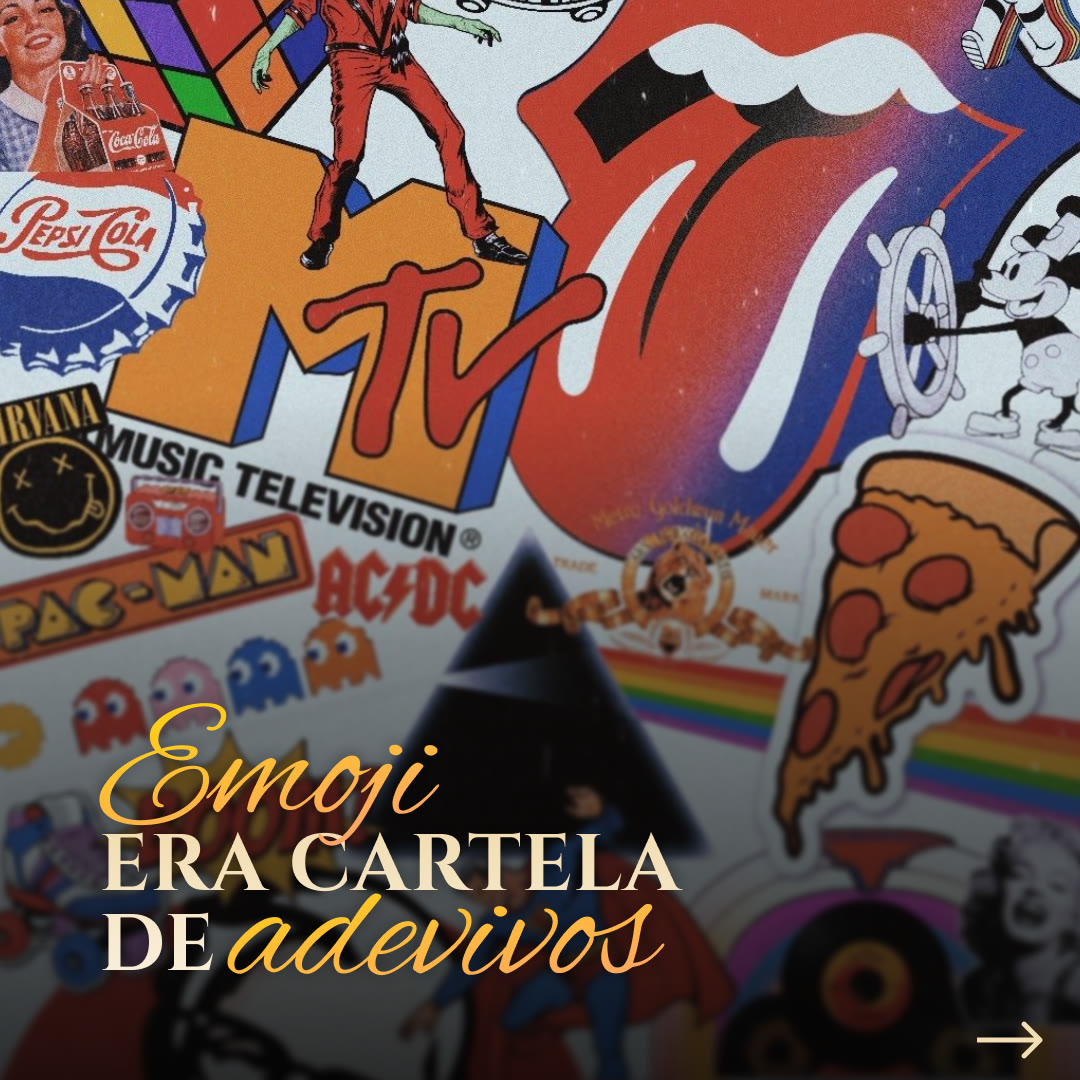
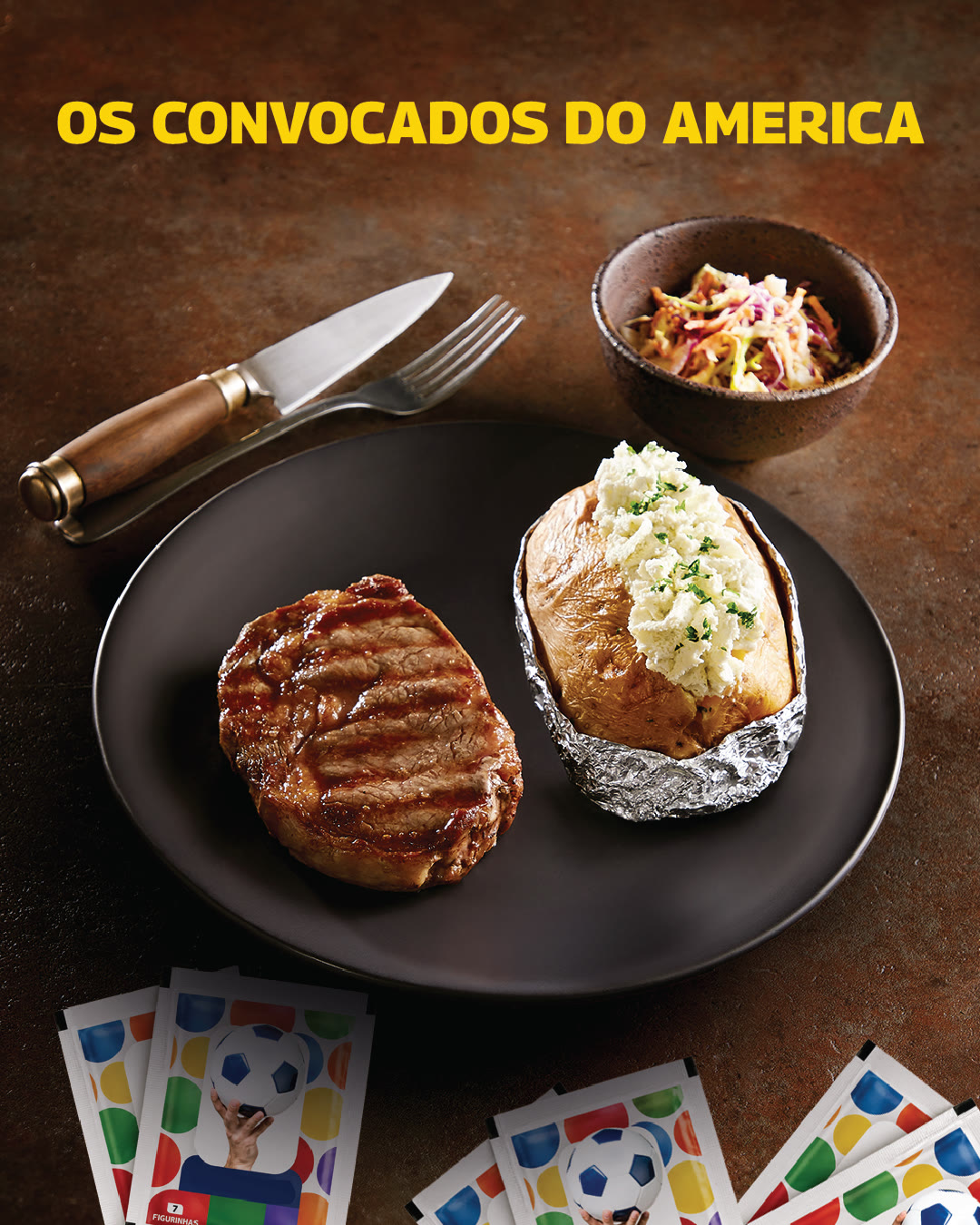
A companion series to the 40th-anniversary campaign, built around the year América opened its doors — 1985. Each post pairs an AI-generated "then" scene with a one-line hook, letting a São Paulo audience feel the distance between then and now: video store shelves before streaming, sticker albums before emoji.
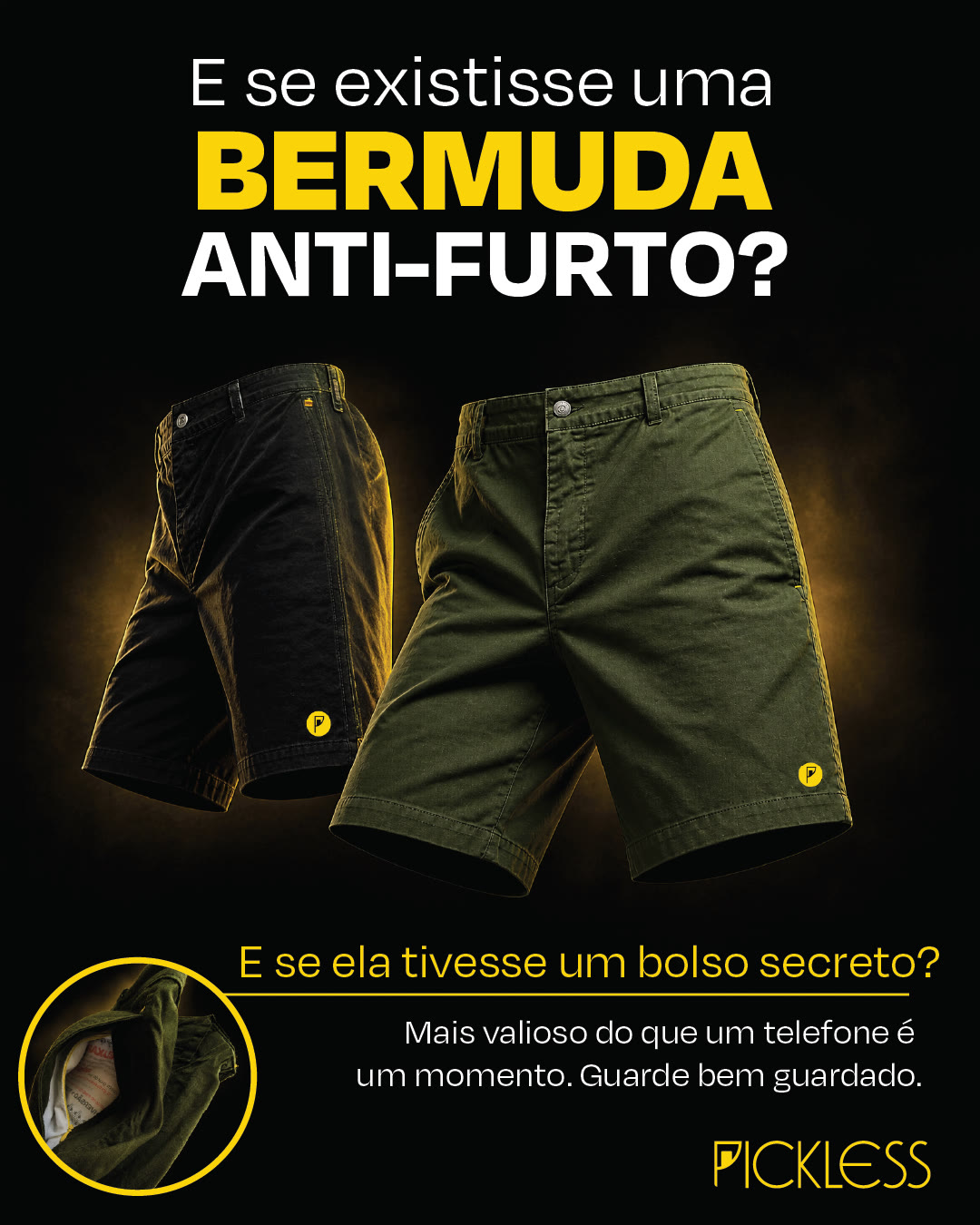
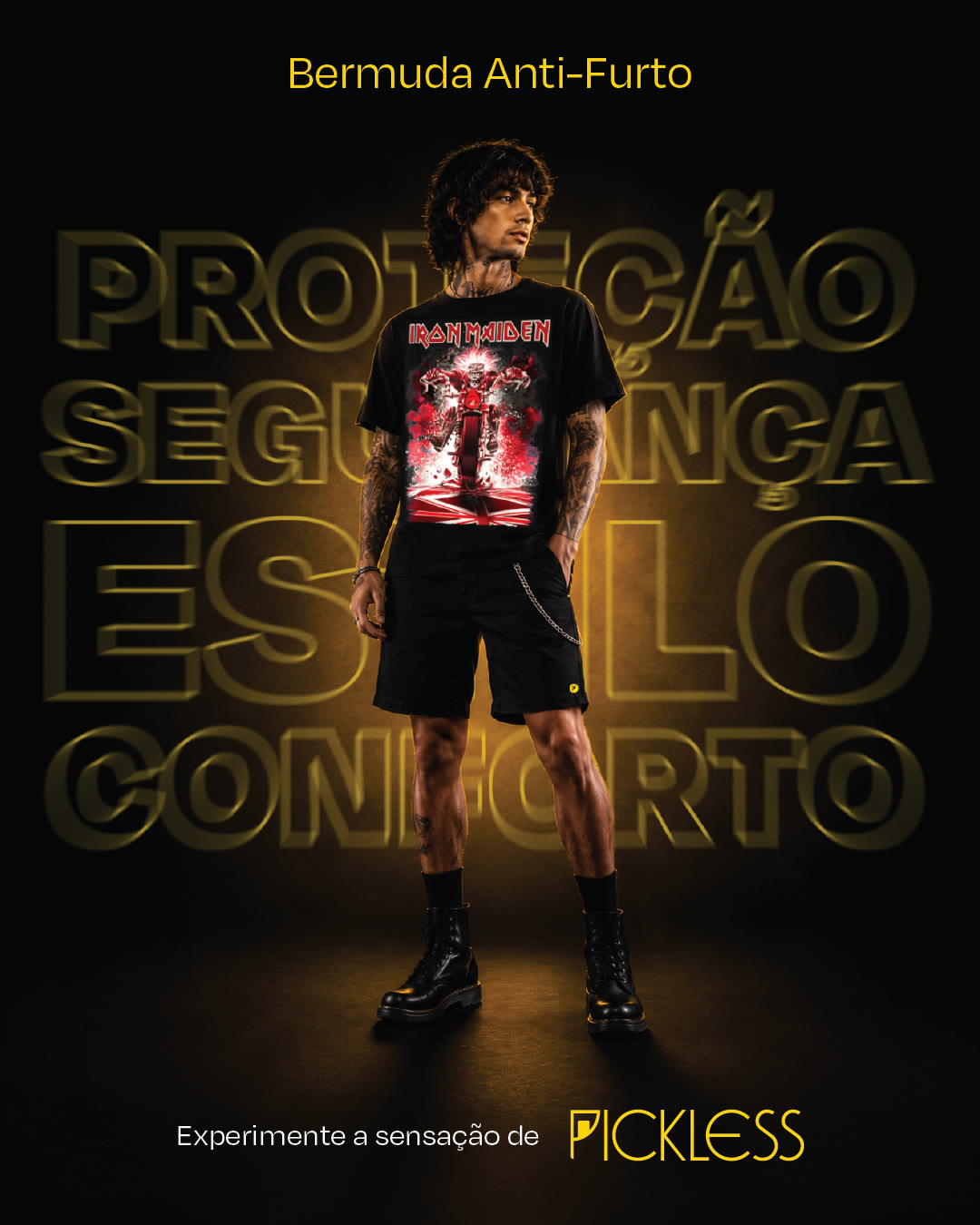
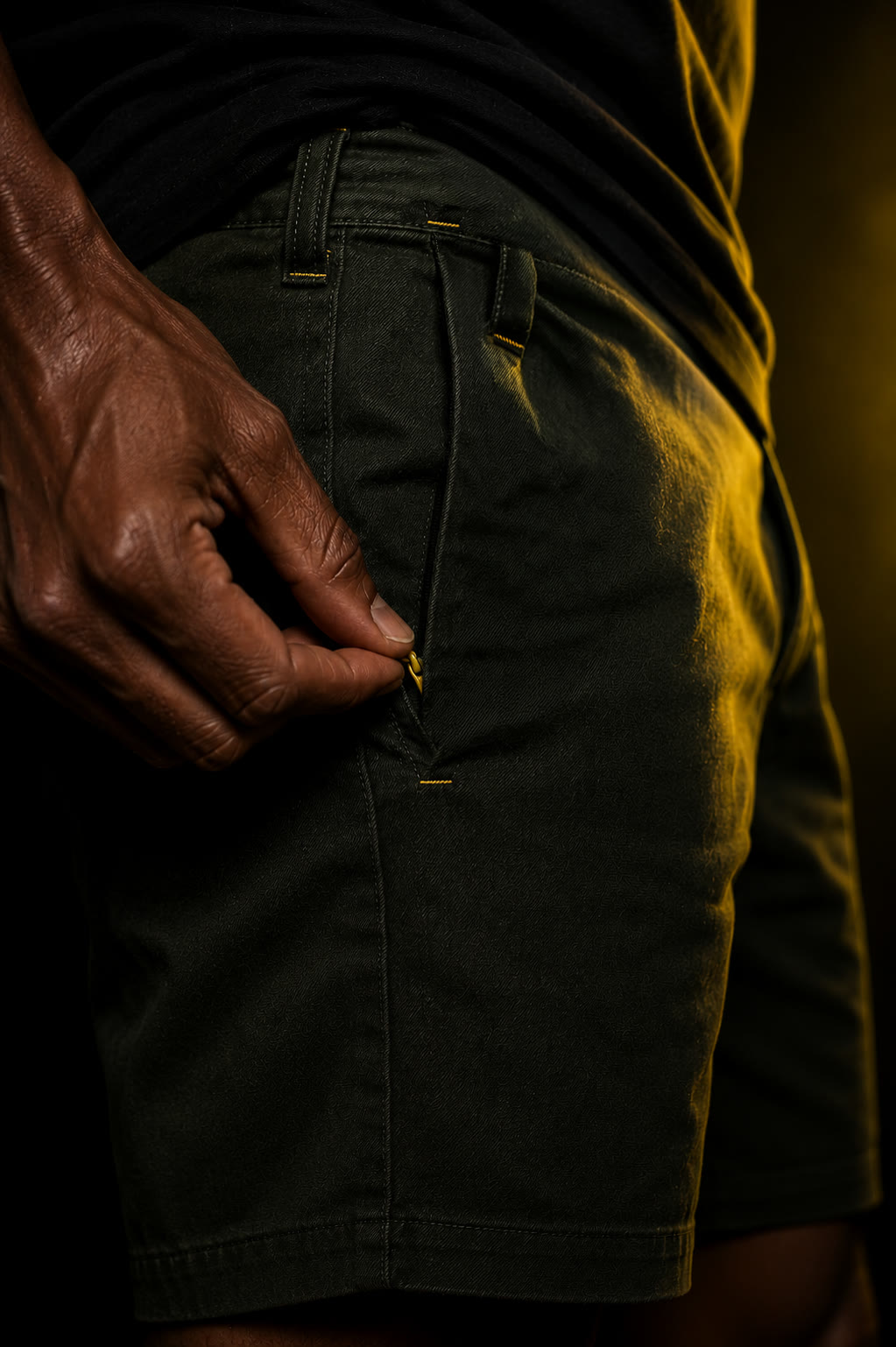
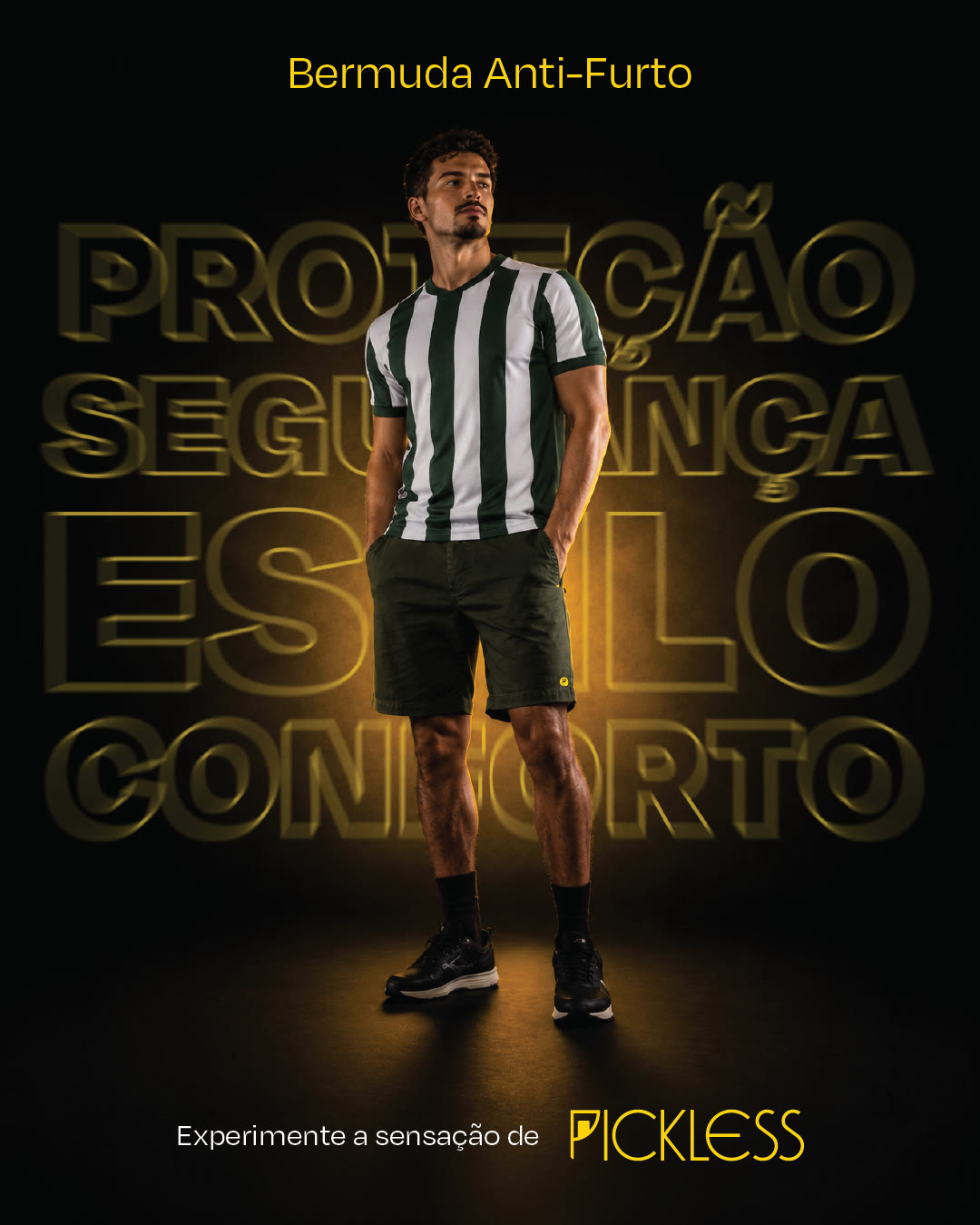
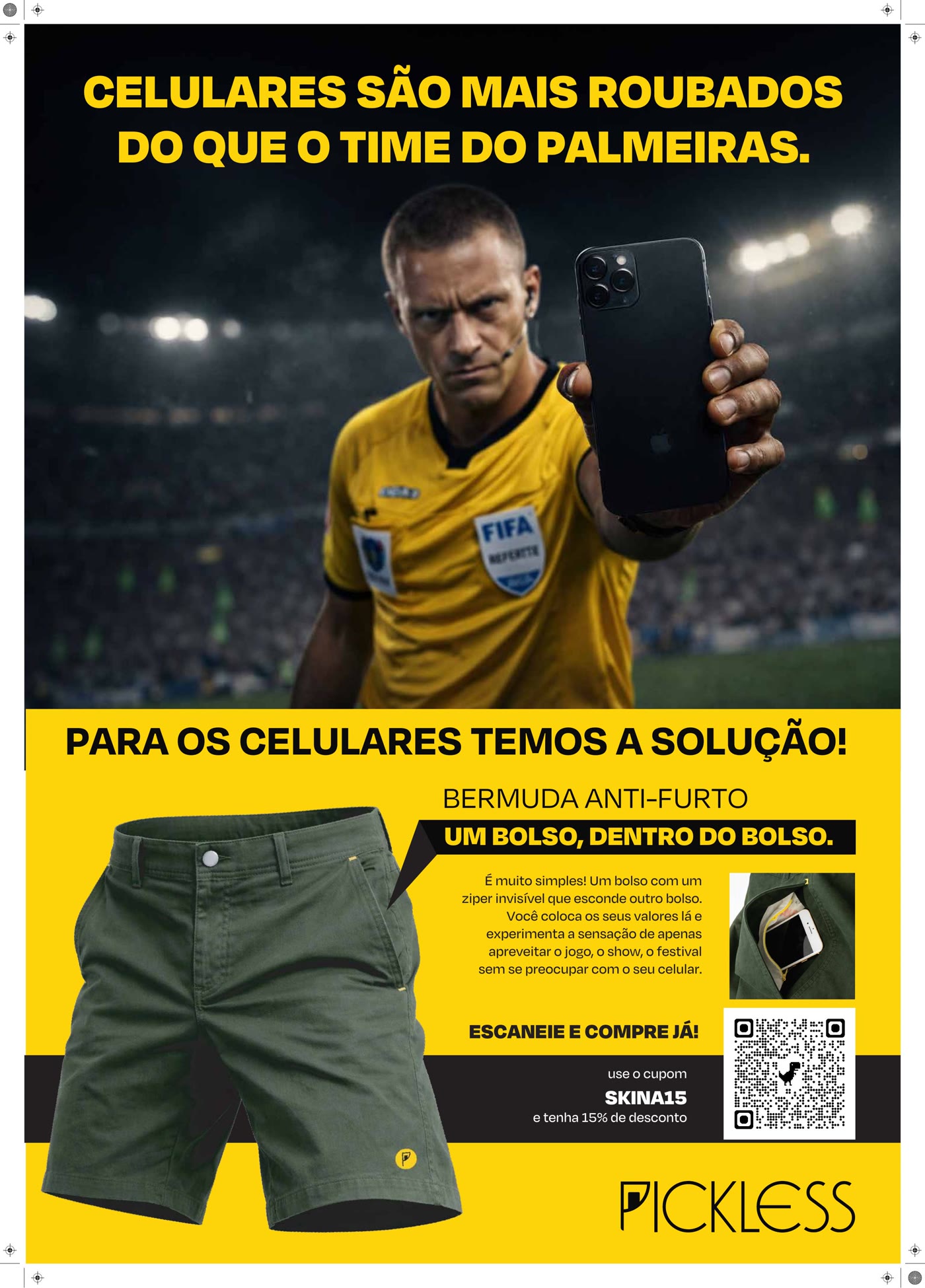
Pickless makes apparel with a concealed, invisible-zip pocket — a second pocket inside the pocket. The campaign leans on a very Brazilian anxiety (phones getting lifted at the show, the game, the festival) and sells the product as the fix. No studio, no samples, no model call sheet — the product shots, the two lifestyle portraits and the stadium poster were all generated with AI.
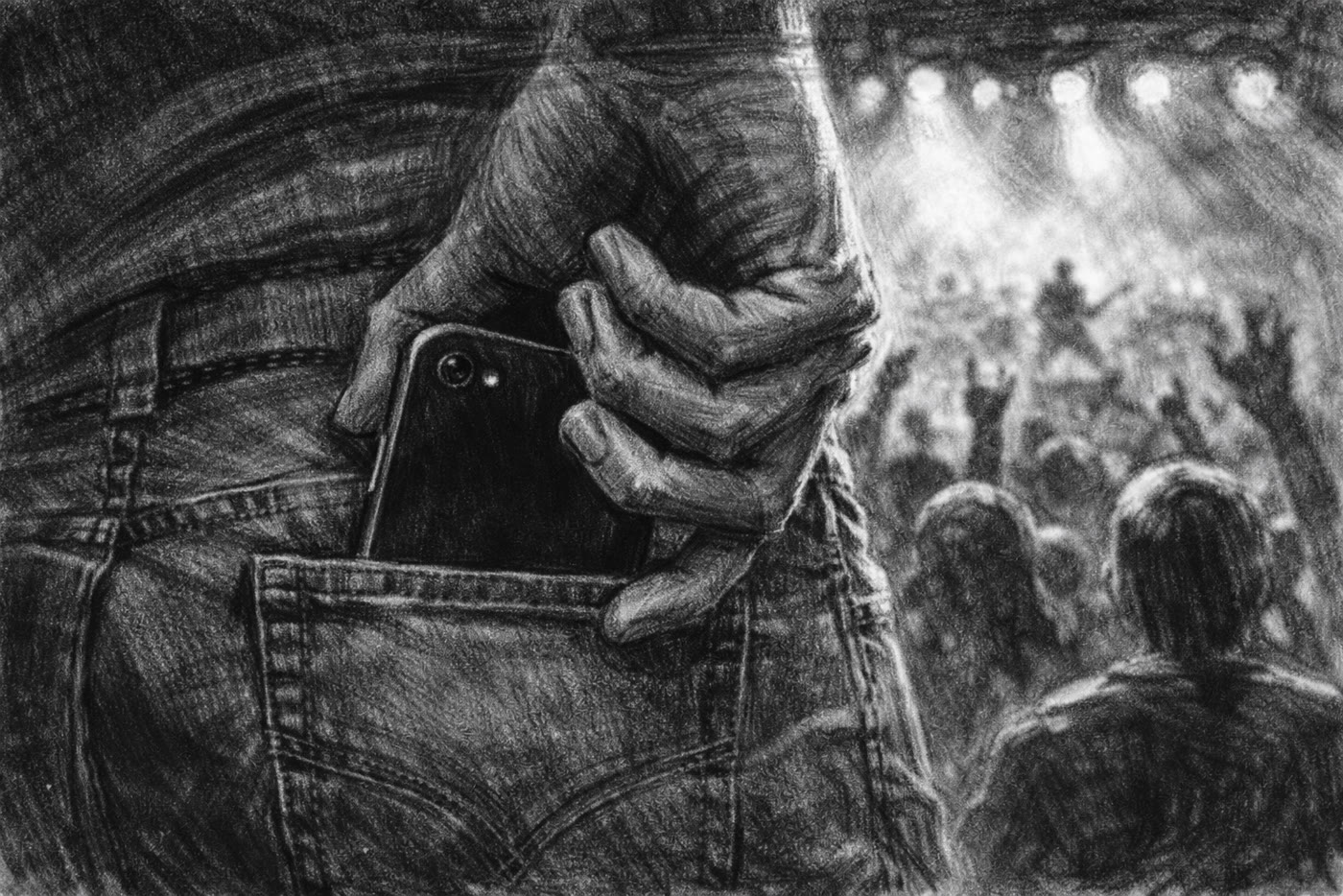
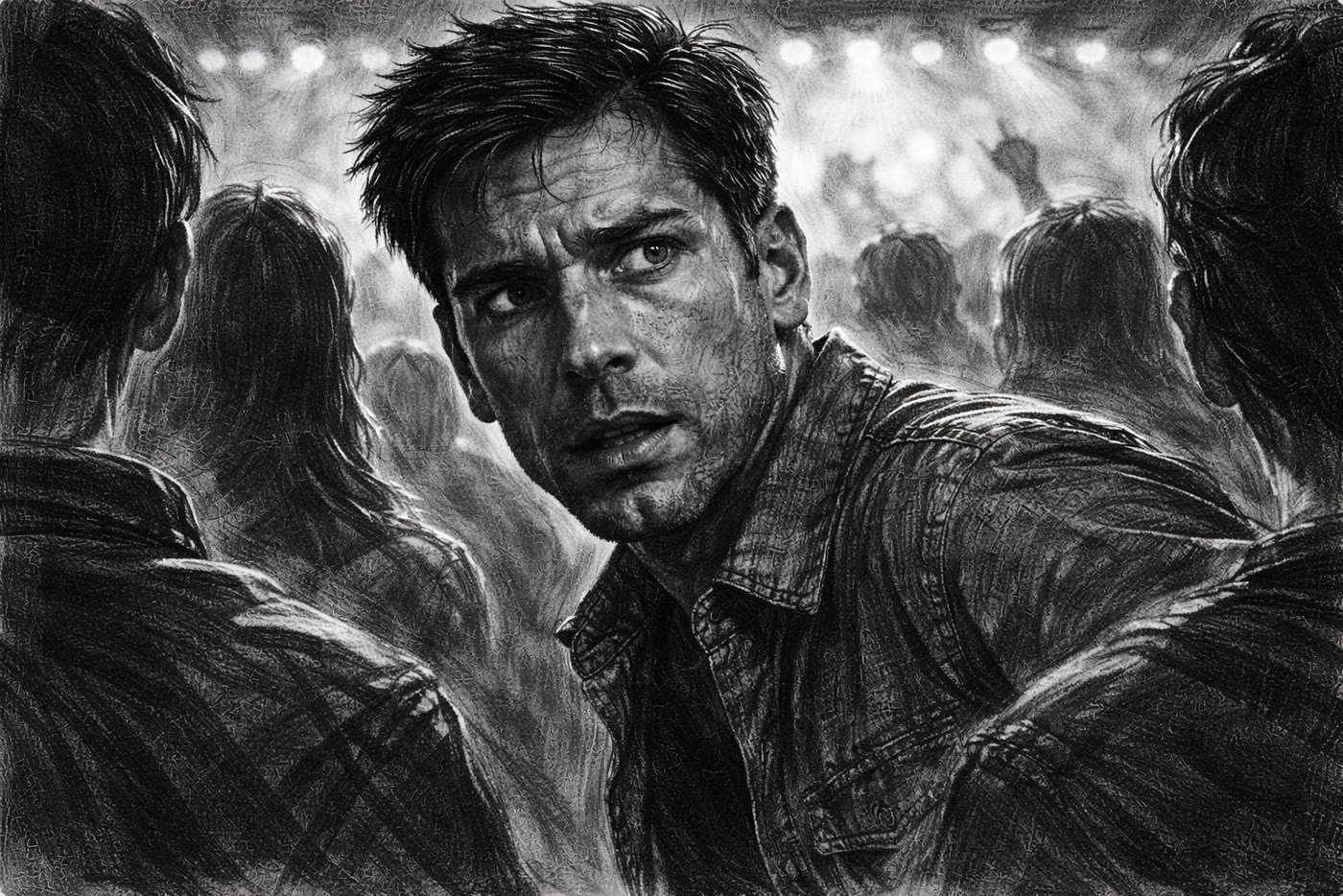
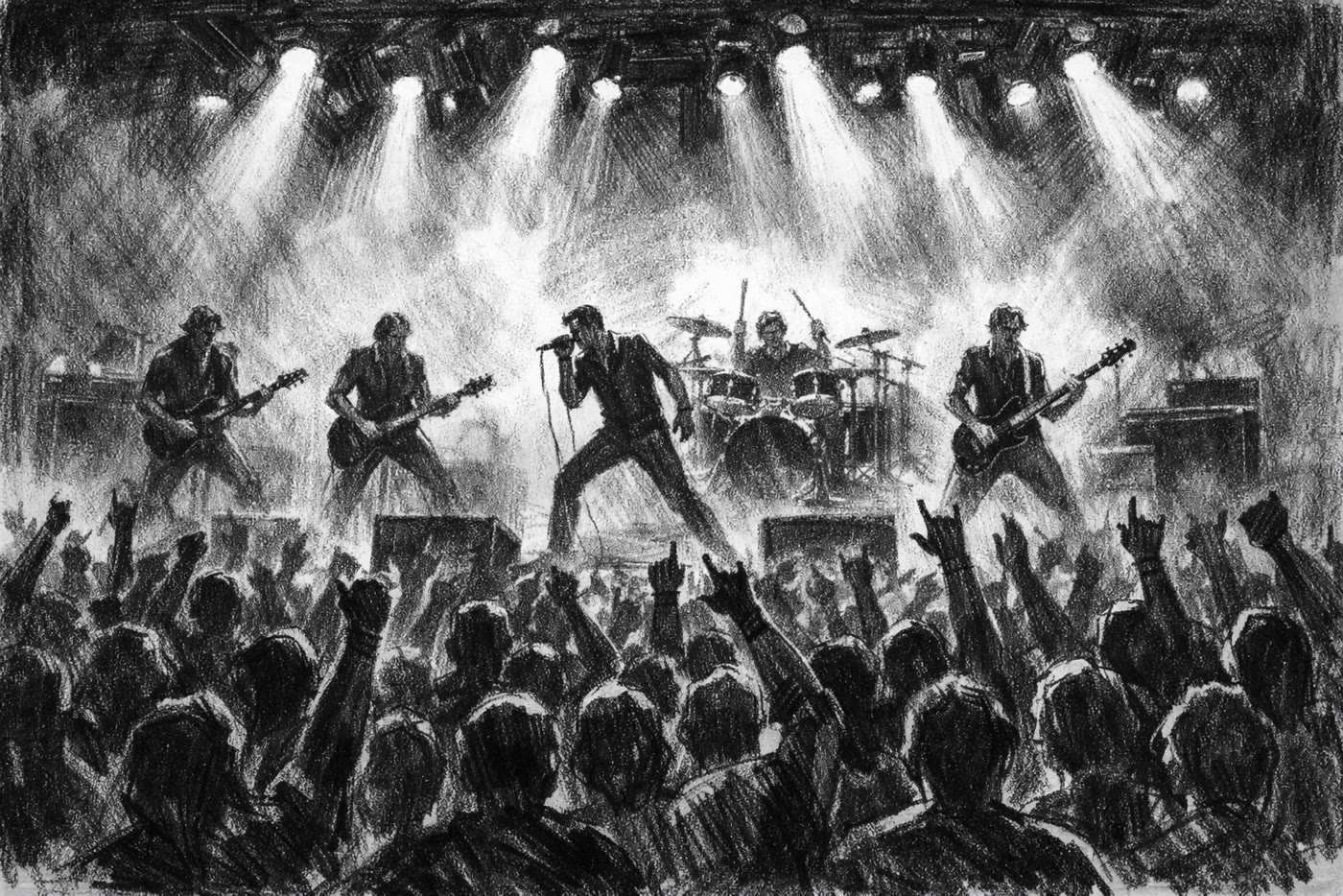
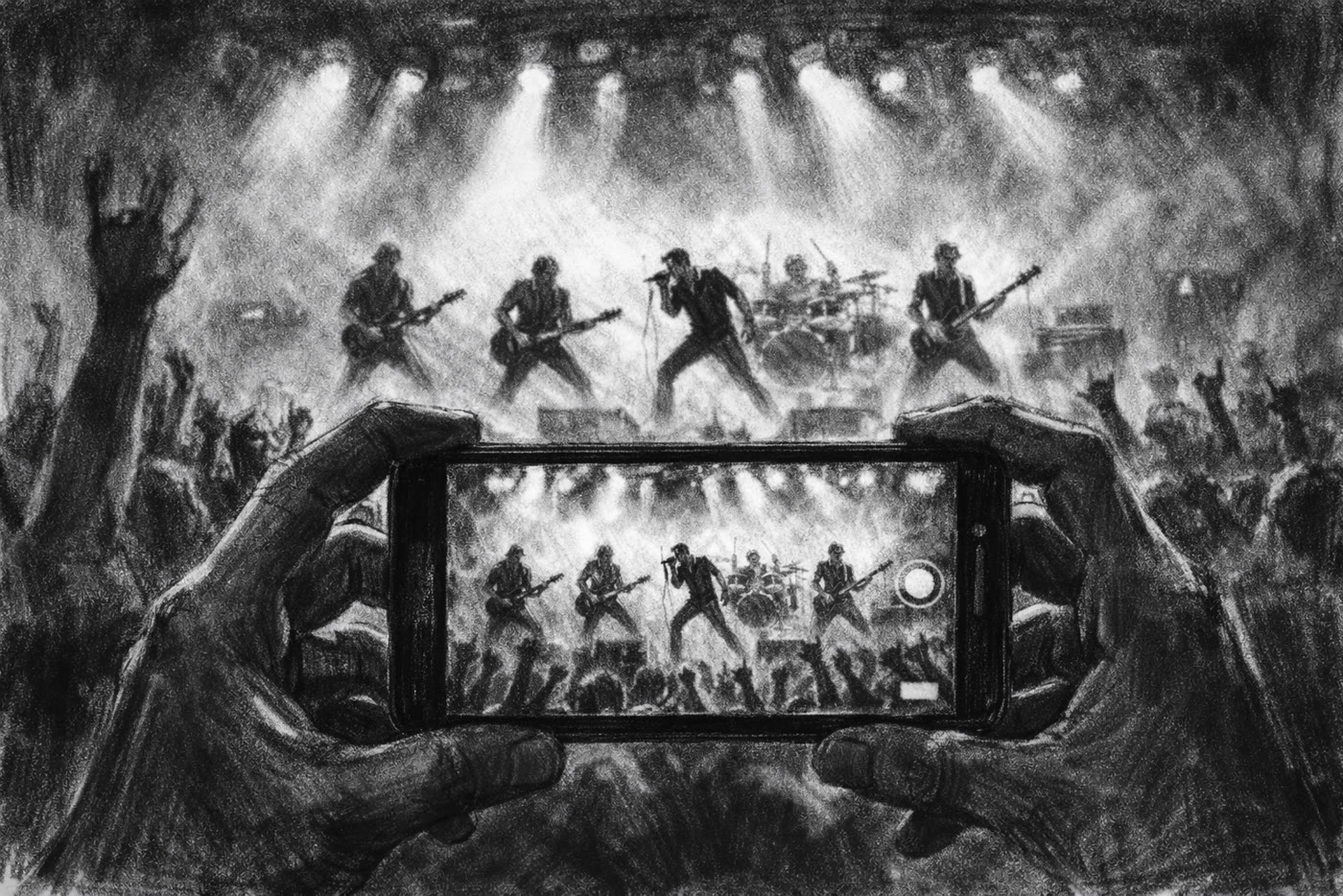
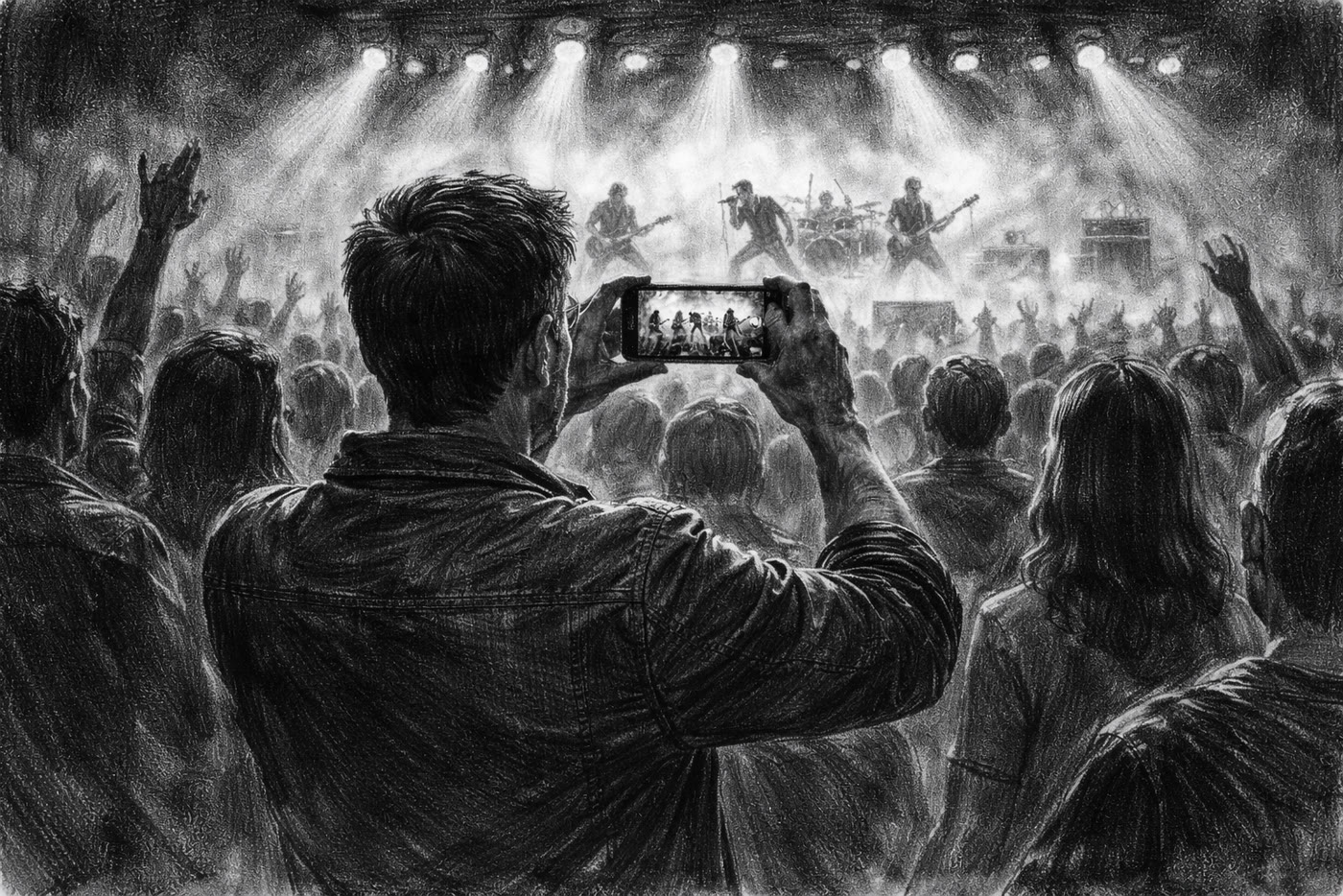
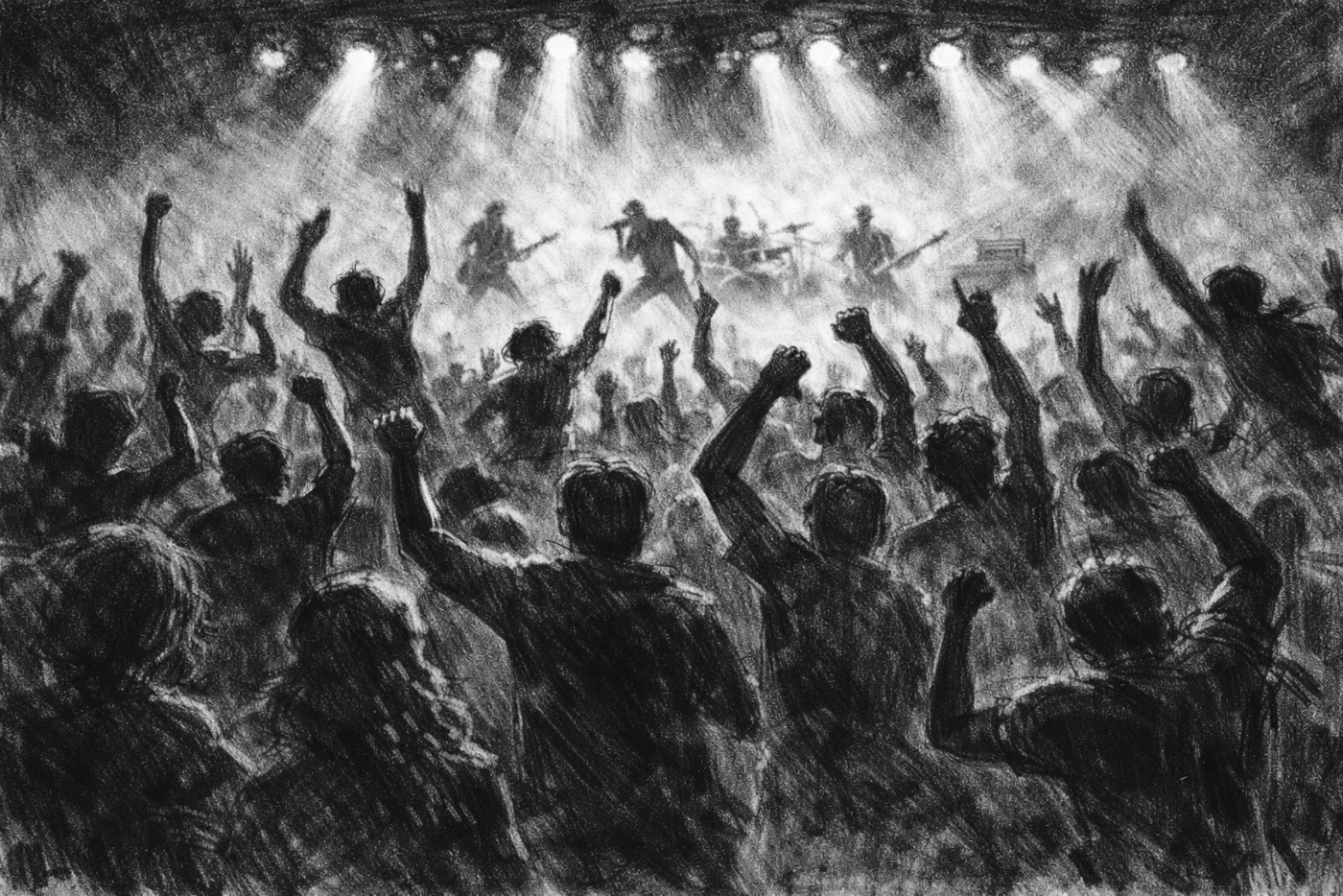
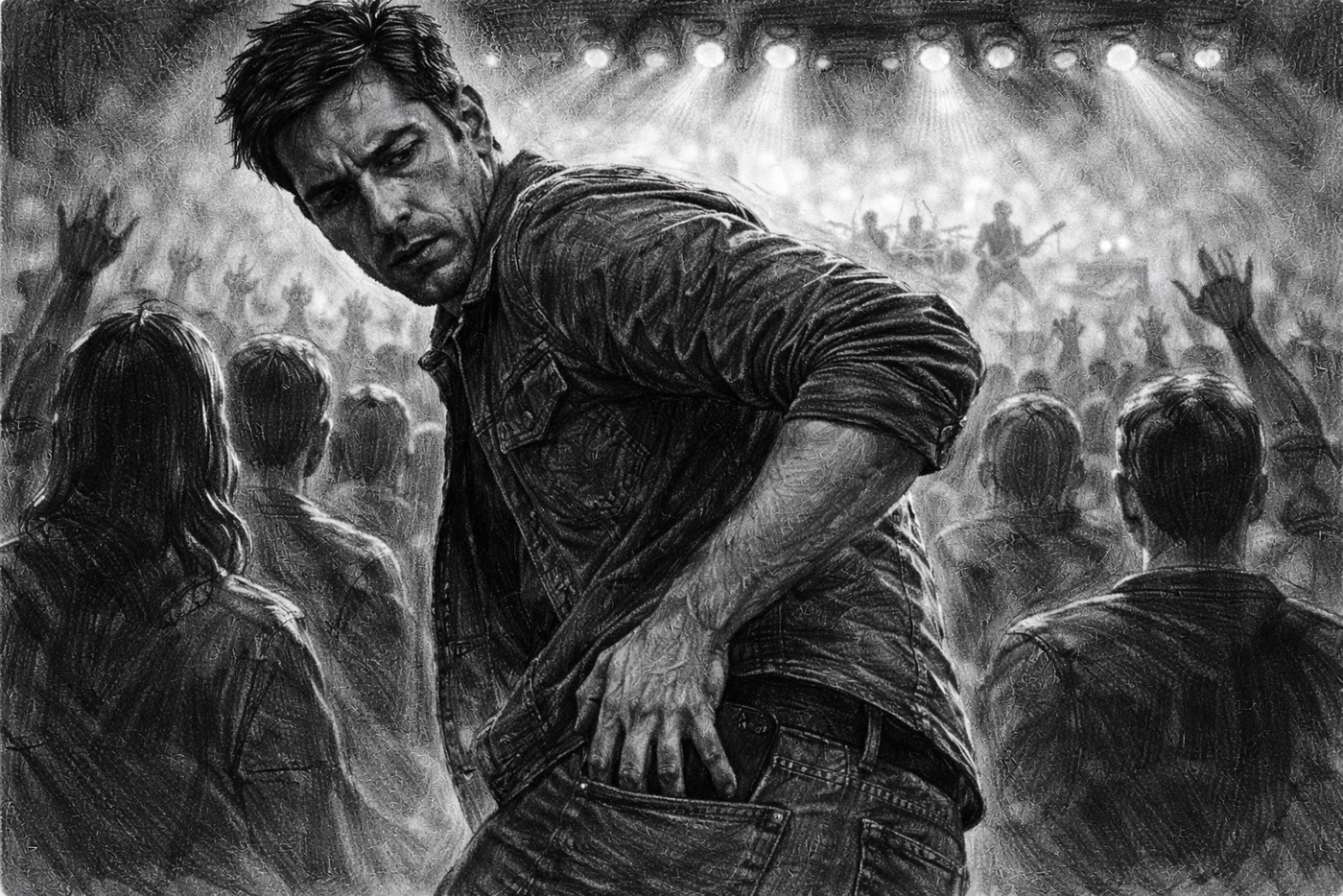
The story the whole campaign is built on: a phone lifted mid-show, in a crowd too busy filming to notice. Drawn frame by frame with AI in a charcoal-pencil style to pitch the film before a single shot was scheduled.
MEE is the venture I'm building now: a proprietary elicitation method for turning a person's judgment, voice and decision patterns into a Digital Twin — an AI clone that isn't a chatbot with a persona bolted on, but a model of how someone actually thinks. Connect it to specific skills and it becomes something a team can lean on: a way to catch your own blind spots, and a version of you that's reachable by peers, direct reports and leadership even when you're not.
The site below is my own twin, live — first proof that the method works before I put it in front of clients.
Live BetaHigh-quality visual concepting and mood exploration for early-stage art direction.
Strategic thinking, structuring campaign narratives and client-facing documents.
Fast ideation and iteration across a wide range of creative tasks.
Research and Google-ecosystem-integrated tasks.
Rapid prototyping of functional interfaces without writing code from scratch.